
Business Process Automation
Move routine work forward with fewer handoffs
OmniLabs helps businesses map repetitive work, remove avoidable manual steps, and connect workflows to the systems and people responsible for the next action.
Discuss workflow automationWhere manual work slows the process down
- 01
Staff repeatedly copy information between systems, forms, and spreadsheets.
- 02
Work stalls in inboxes because ownership, status, or the next step is unclear.
- 03
Exceptions are handled differently each time, making a process hard to follow or improve.
Automation designed around how work actually moves
Automation starts with the process, not a tool. We identify stable, repeatable steps and design how software, existing systems, and human review should work together.
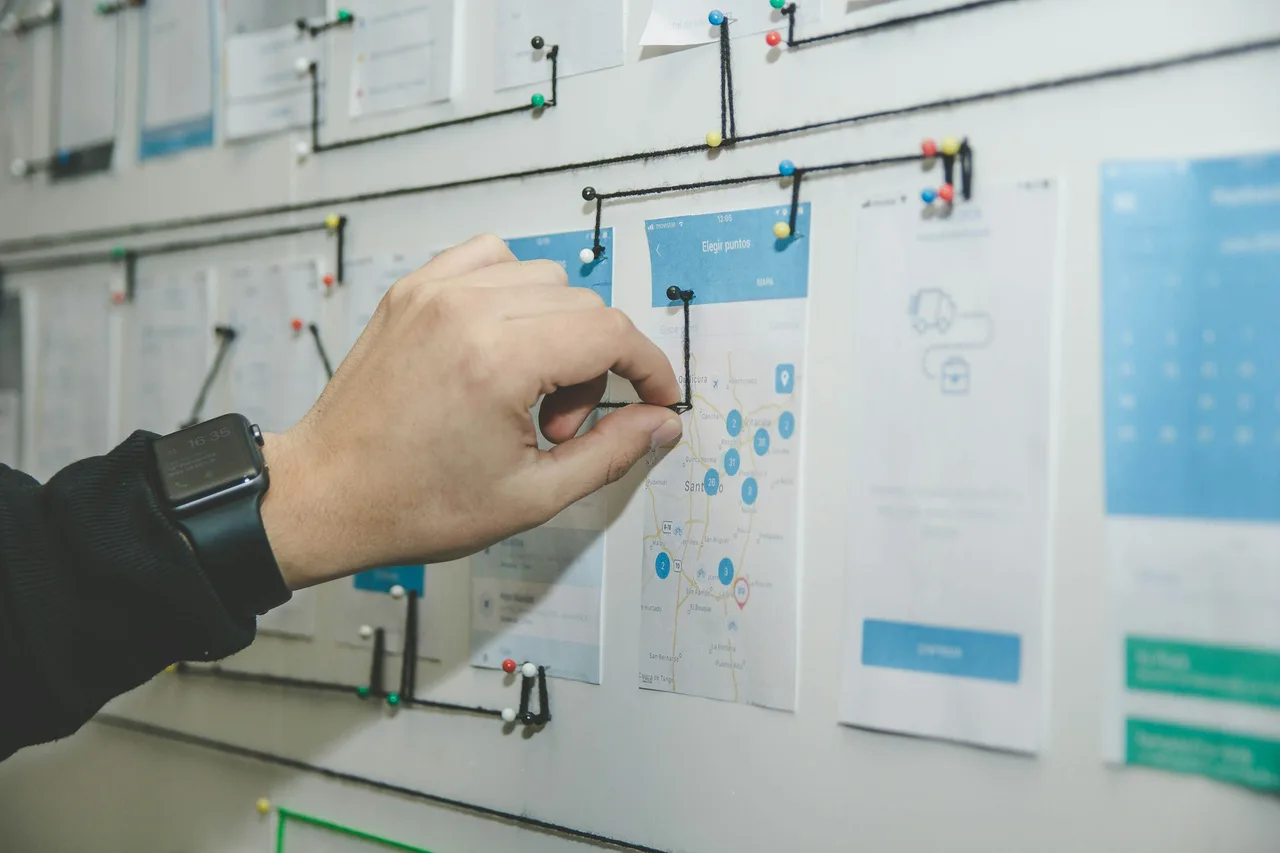
- A map of the current workflow, decision points, and exceptions
- A prioritized automation scope with human checkpoints where needed
- Workflow logic and connections to relevant business applications
- Status visibility, notifications, or operational views where appropriate
- Validation of normal cases, failures, and exception paths
What automation changes for your team
Reduce repetitive data handling and avoidable process delays.
Make handoffs, ownership, and workflow status easier to understand.
Give teams a more consistent process while retaining human judgment for exceptions.
From traced workflow to tested automation
Trace the workflow
Follow how work and information move today, including exceptions and decisions.
Choose what to automate
Prioritize repeatable steps and define when a person must review or take over.
Connect the process
Implement workflow rules and integrations in the context of your existing systems.
Test the real cases
Check expected paths, incomplete information, errors, and handoffs with the people doing the work.
Questions teams ask before automating
Which processes are good candidates for automation?
Processes with repeated steps, predictable inputs, clear outcomes, and meaningful manual effort are often good candidates. Discovery should also surface exceptions and decisions that still need a person.
Does automation mean removing people from the process?
Not necessarily. A useful workflow can automate routine steps while routing exceptions, approvals, or sensitive decisions to the right person.
Can you automate across tools we already use?
That depends on the tools' available interfaces and access rules. We assess those constraints before deciding how to connect the workflow.

Find the friction in a workflow
Describe a process that takes too many handoffs or repeated steps, and we can discuss where automation may help.